Understanding Oregon’s climate patterns
Oregon experiences a range of conditions from wet winters to humid springs and dry summers in many areas. Each season brings its own moisture dynamics. Groundwater movement, rainfall intensity, and indoor humidity can all shift quickly. A restoration specialist keeps up with these patterns to protect homes statewide.
This variability means there isn’t a one size fits all approach. The same home can behave differently from one season to the next, so proactive checks are worth time and effort across Oregon communities.
Seasonal prep you can do now
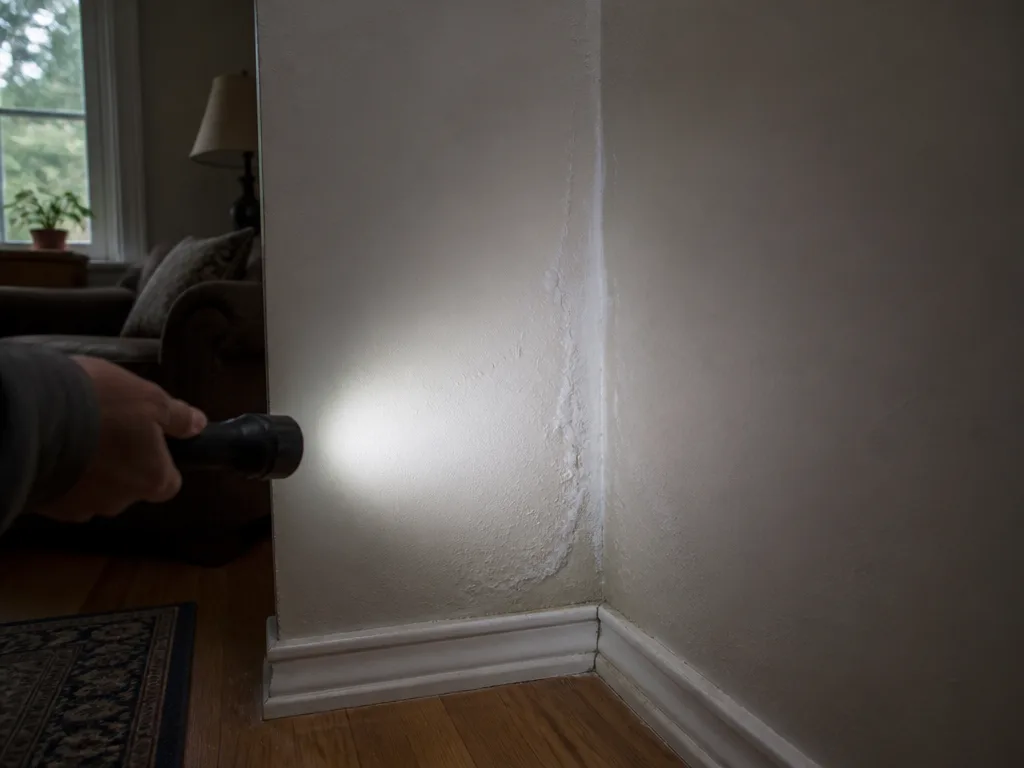
Start with the basics: ensure gutters and downspouts direct water away from the foundation, inspect roof flashing after heavy rain, and test for standing water around the perimeter of the home. In the kitchen and bathroom, keep an eye on seals and caulking and fix any leaks promptly. These small steps help reduce the amount of moisture that can migrate into walls and floors over the year.
Control indoor humidity with a simple routine: run exhaust fans during and after showers, use a dehumidifier in damp rooms, and ventilate when the weather allows. Across Oregon, consistent air movement makes a big difference during rainy seasons and humid periods.
What to do when weather changes abruptly
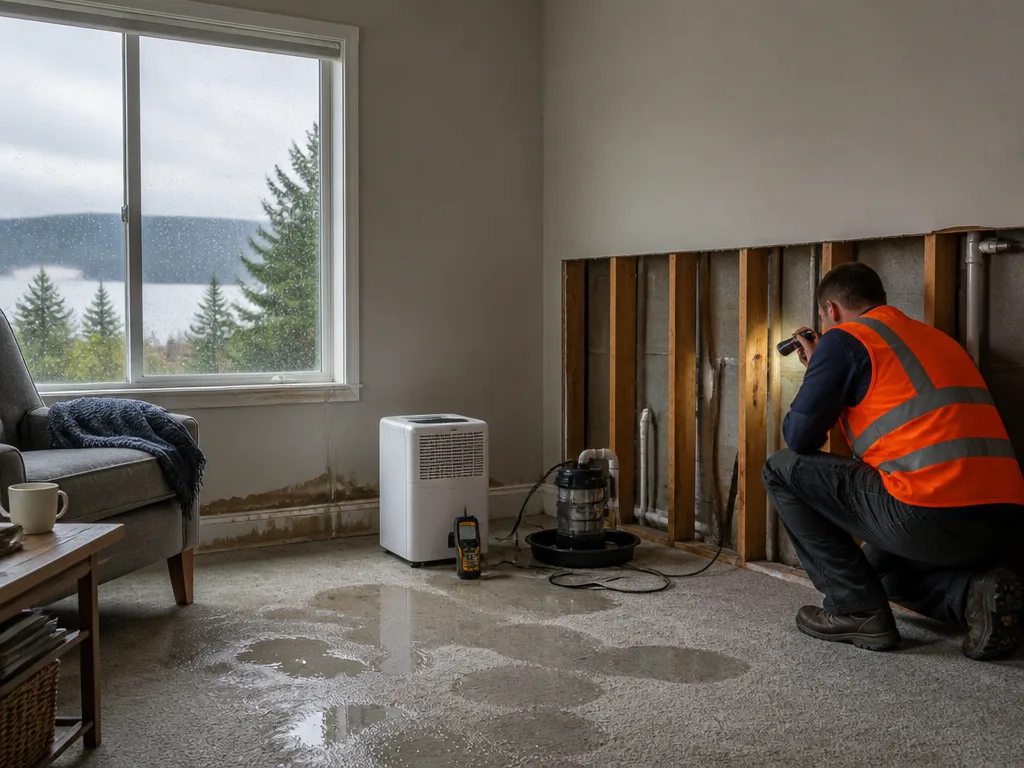
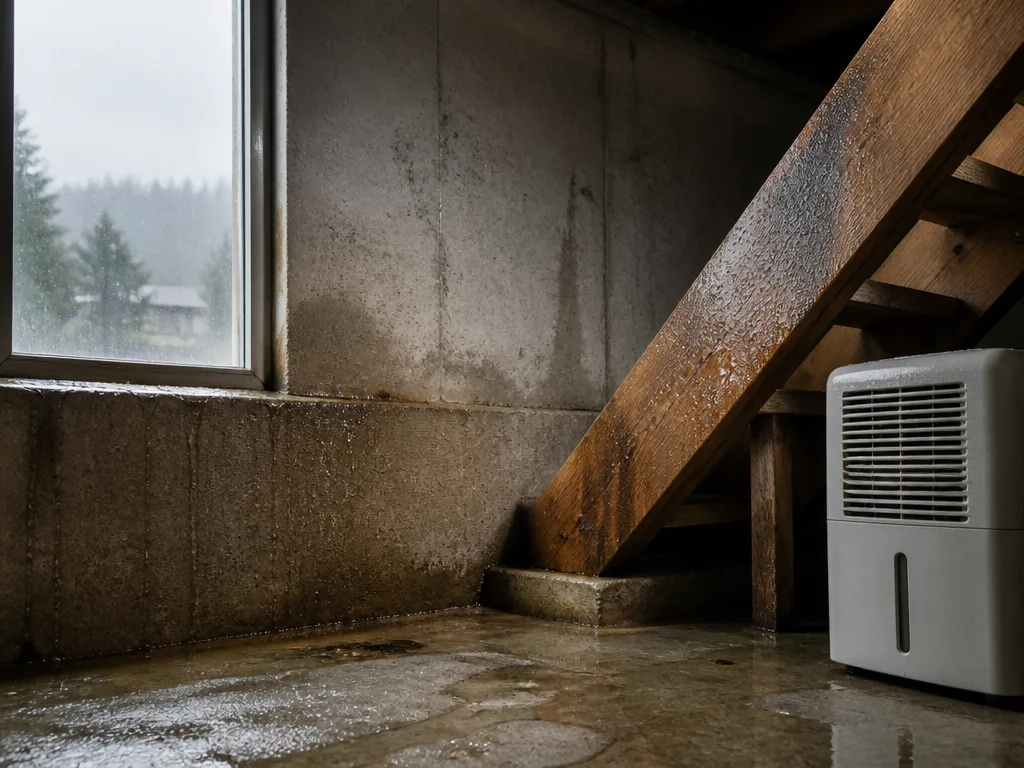
If a storm dumps heavy rain or you notice a sudden rise in humidity, take immediate action. Move items away from potential water intrusion paths, check for dampness in basements and crawl spaces, and document any new signs of moisture. When in doubt, a call to Oregon Water Mitigation connects you with a restoration specialist who can assess and guide the next steps.
Long-term planning for a drier home
Think beyond the current year. Consider insulation improvements in attic spaces, vapor barriers in crawl spaces, and regular inspections after heavy rain events. A statewide approach helps ensure you’re covered no matter where you are in Oregon, with crews ready to respond across the state when needed.